Puppy Potty Training: A Complete Step-by-Step Guide for 2026
Puppy potty training is the single most important early skill you will teach your new dog, and getting it right in the first weeks sets the tone for years of clean, stress-free living. Done well, puppy potty training builds a reliable routine, prevents accidents, and strengthens your bond. Done poorly, it leads to frustration, ruined floors, and a yard that becomes a mess. This 2026 guide gives you a clear, patient, proven system, from crate schedules to outdoor cues to cleaning up like a pro.
Whether you handle it yourself or lean on reputable service experts for yard upkeep, the fundamentals below will get your puppy trained faster and with less stress.
When Should You Start Puppy Potty Training?
Start the moment your puppy comes home, typically around eight weeks. Young puppies have small bladders and limited control, so early consistency matters more than perfection. The rule of thumb: a puppy can usually hold its bladder for about one hour per month of age, plus one. A three-month-old, for example, needs a break roughly every four hours, and immediately after waking, eating, or playing.
The Golden Rule: Consistency
Puppies learn by repetition. Feed at set times, take them out on a predictable schedule, and use the same door and the same spot every time. Consistency turns training from guesswork into habit.
The Step-by-Step Potty Training Routine
- Pick one potty spot outside and always lead your puppy there.
- Use a cue word like “go potty” so the puppy associates it with the action.
- Reward immediately with praise and a treat the instant they finish.
- Supervise closely indoors and watch for sniffing or circling.
- Crate train to leverage a puppy’s instinct not to soil its sleeping area.
- Clean accidents thoroughly with enzymatic cleaner so no scent draws them back.
Recognizing the Signs
- Sudden sniffing or circling a spot.
- Whining, restlessness, or heading toward the door.
- Pausing mid-play and wandering off.
Managing the Yard During Training
Once your puppy is going outside reliably, the yard becomes a cleanup zone, and a clean yard actually reinforces training. Puppies avoid heavily soiled areas, so keeping the potty spot tidy encourages continued use. Prompt removal also protects your puppy from parasites while its immune system is still developing.
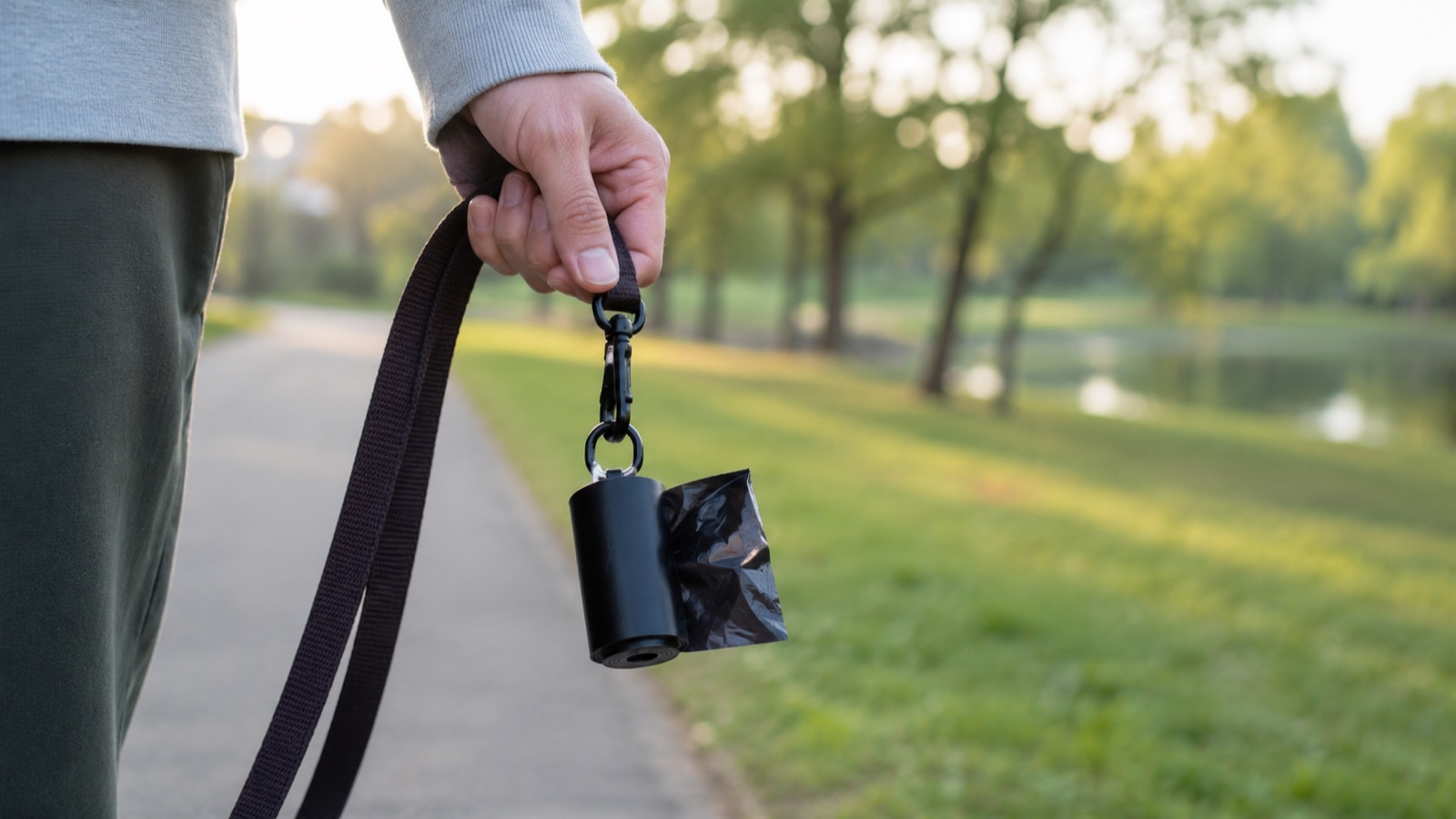
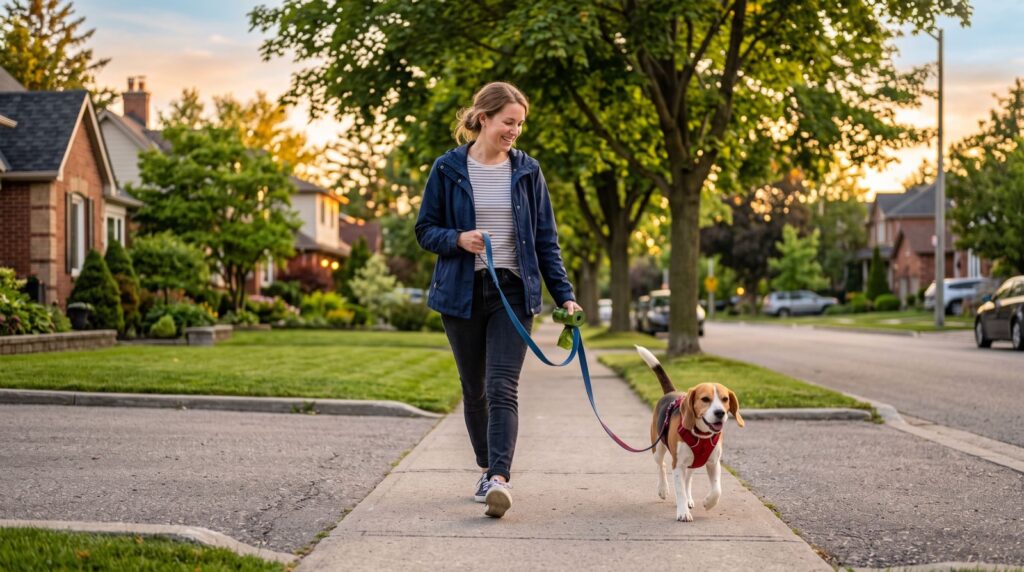
Make cleanup effortless so you never skip it. A long-handled Pooper scooper near me tool lets you clear the potty area in seconds without bending, and keeping quality supplies on hand keeps the routine friction-free. When you head out on walks during training, carrying a reliable Dog poop bag means you are always ready to clean up and reinforce good habits away from home too.
Common Mistakes and Fixes
| Mistake | Why It Backfires | The Fix |
|---|---|---|
| Punishing accidents | Creates fear, hides behavior | Reward success instead |
| Inconsistent schedule | Confuses the puppy | Fixed feeding and potty times |
| Weak cleanup of accidents | Scent draws repeat visits | Enzymatic cleaner every time |
| Too much freedom too soon | Unsupervised accidents | Confine and supervise early |
How Long Does Puppy Potty Training Take?
Most puppies are reliably trained within four to six months, though full bladder control can take up to a year. Small breeds sometimes take longer due to tiny bladders. Patience is essential; setbacks are normal and rarely permanent. The American Veterinary Medical Association recommends positive-reinforcement training as the most effective and humane approach for building lasting habits.
Crate Training and Nighttime Schedules
Crate training is one of the most powerful tools in potty training because dogs instinctively avoid soiling where they sleep. Choose a crate just large enough for your puppy to stand, turn, and lie down; too much space lets them designate a corner as a bathroom. Use the crate for naps and overnight, and take the puppy directly outside to the potty spot the moment they wake.
Nighttime requires patience. Young puppies usually cannot sleep through the night without a break, so expect at least one middle-of-the-night trip outside for the first weeks. Keep these outings calm and business-like, with no play, so your puppy learns that nighttime is for sleeping, not socializing. As bladder control grows, the intervals lengthen and full nights follow.
Sample Daily Schedule for a Young Puppy
- First thing in the morning: straight outside to the potty spot.
- After every meal and drink: another trip within minutes.
- After naps and play sessions: reliable potty triggers.
- Every one to two hours during the day for very young puppies.
- Last thing before bed, and once overnight as needed.
Posting this schedule where the whole household can see it keeps everyone consistent. When multiple family members follow the same routine and use the same cue word, the puppy learns dramatically faster. Mixed signals are one of the most common reasons training stalls, so alignment at home matters as much as the technique itself.
Frequently Asked Questions
How often should I take my puppy out during potty training?
Roughly every one to two hours for young puppies, plus immediately after waking, eating, drinking, and playing. Frequent, predictable breaks prevent accidents and speed up learning.
Should I punish my puppy for accidents?
No. Punishment creates fear and teaches puppies to hide, not to hold it. Reward correct behavior enthusiastically and clean accidents thoroughly with enzymatic cleaner instead.
Why does keeping the yard clean help with training?
Puppies avoid heavily soiled areas and are drawn back by leftover scent. A promptly scooped potty zone encourages consistent use and protects your puppy from parasites.
How long until my puppy is fully potty trained?
Most puppies are reliable within four to six months, with full control sometimes taking up to a year. Consistency and patience are the biggest factors in success.
Conclusion
Puppy potty training succeeds on consistency, positive reinforcement, and a clean environment. Set a predictable schedule, use a cue word and rewards, supervise closely, and clean every accident thoroughly. Keep the yard and potty zone tidy with the right scooper and bags so good habits stick. Stay patient through the inevitable setbacks, and by the end of your 2026 training journey, you will have a confident, house-trained dog and a clean, happy home.